A Fast Dealer Card Game Worth Your Weekend
You pull into the Surfers Paradise car park just past six on a Friday. The humidity hangs heavy over the Gold Coast, and your phone shows three bars of signal even this close to the beach. You grab a cold drink from the servo on the way back to the unit, then settle in front of the screen while the neighbours argue over the footy scores. A fast dealer card game with three simple payouts catches your eye, and you type the search term red dog card game casino Australia into the browser before the kettle even boils. The cards shuffle on screen, the dealer calls the spread, and the whole thing runs on a timer that feels closer to a short taxi ride than a night at a club.
Weekend entertainment spend works best when the rules are plain and the clock is honest. You are not trying to fund a retirement plan; you are looking for a forty-minute pause between the beach and the takeaway run. The appeal of a three-card spread game sits in that narrow window. You place a stake, the dealer shows two cards, and the only question is whether a third card will land between them. No complex paytables, no side bets that require a maths degree, just a single decision and a quick payout if the spread is wide enough.
The Gold Coast teaches you to plan around distance the same way a regional player learns to plan around a dodgy connection. You might drive forty minutes from Burleigh Heads to a physical venue, lose an hour to traffic on the M1, and still arrive to find the machines row full and the bar loud. Playing from the couch removes that travel tax, but it swaps one constraint for another. Your data drops out on the drive home, the screen freezes mid-hand, and a simple game suddenly feels like a gamble with your own patience.
A practical example keeps this grounded. Say you deposit fifty dollars on a Tuesday night after work, set a timer for thirty minutes, and stop the moment the timer rings whether you are up or down. That single habit changes the tone of the session from a chase to a paid hour of entertainment. You walk away with the story of a close call rather than a hole in the budget, and the next Friday you can repeat the same routine without thinking about it.
Why the spread matters most
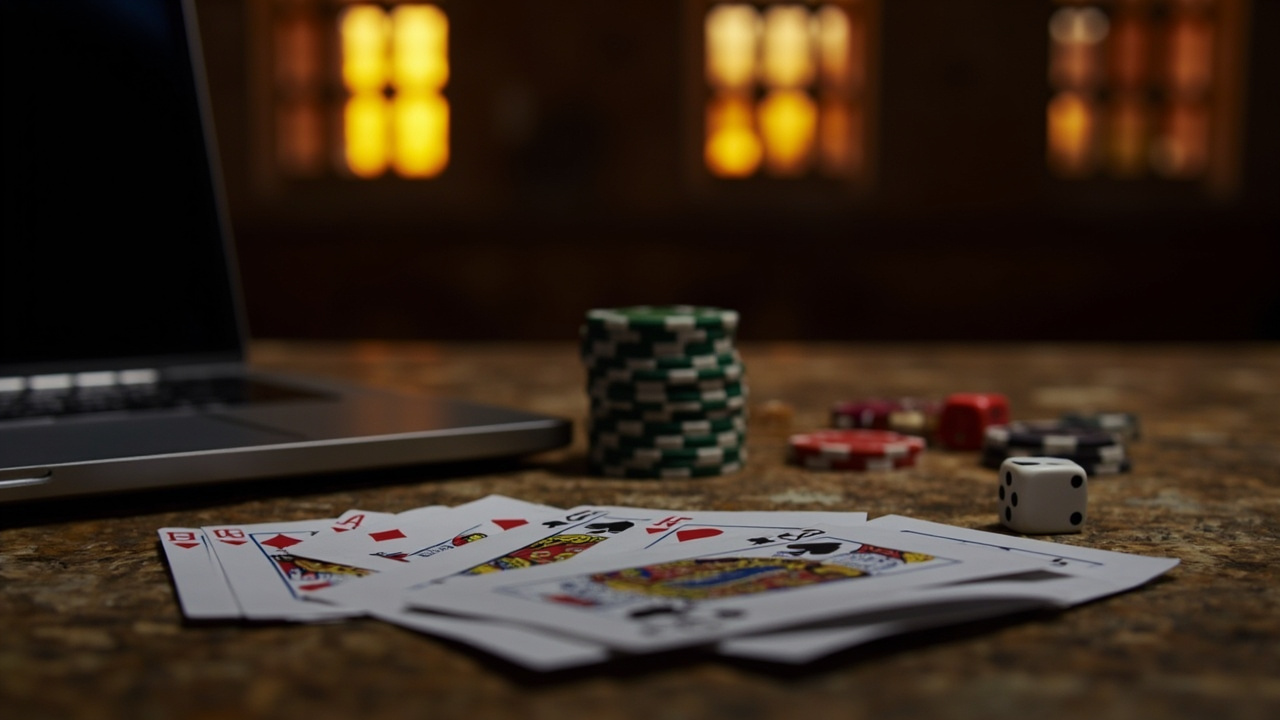
Card rank decides everything here, and the rank gap between the first two cards sets the odds before you touch the mouse. A narrow spread pays less because the third card has a tight lane to land in, while a wide spread pays more because the lane is broad. The dealer does not care about suits or flushes or any of the clutter that slows down other table games. You learn the ranks quickly, and once you do, the whole hand reads like a short puzzle with a clear answer.
The betting window is short, which suits a player who wants action without a long wait between hands. You place your stake, the first two cards appear, and the spread announces itself instantly. If the cards match, the rules usually call for a re deal rather than a push, and that detail matters because it keeps the pace moving. You are not sitting through a long shuffle cycle or waiting on a side bet to resolve.
Charlotte Patel, Chief Financial Officer, Kangaroo Point Analytics, puts it plainly when she talks about entertainment budgets. “A game with a short decision loop and a single payout line is easier to size to a night out than a multi-tier table product.” She adds that players who treat the stake like a fixed entertainment cost tend to track their results more honestly than those who chase a streak. You can see the logic in that, because a simple game makes the cost visible before you lose track of the session.
Reading the payouts without the jargon
Payouts here are tied directly to the size of the spread, which means the table you look at before the first card drops tells you most of what you need to know. A one-card gap pays differently from a four-card gap, and the difference is not subtle. You do not need a spreadsheet to see that a wider spread is rarer and pays more, and a narrow spread is common and pays less. The trick is learning to accept that the common hands are the ones that keep the game running.
The house edge sits inside those payout ratios, and that is the trade-off you accept for a fast, low-fuss game. You are not buying a mystery; you are buying a known probability with a clean interface. A player who likes to compare numbers will look at the spread table, note the payout for each gap, and decide whether the rates match the entertainment value they want. A player who prefers to wing it will still feel the same structure, just without the paperwork.
If you want a second opinion on how fast-paced table products fit a casual budget, a healthtimes.com.au piece on weekend spending habits makes a useful neighbour read. The article does not talk about cards, but it does talk about setting a fixed night out cost and sticking to it, which maps neatly onto a short card session.
The house edge sits in plain sight
Every table game carries a built-in margin, and this one is no different. The payouts are set so the maths tilts in the operator’s favour over time, which is the same reality that governs any card table you sit down at. You are not being tricked; you are choosing a known tilt in exchange for a quick, readable hand. The important thing is knowing the tilt exists before you place the first stake.
A marker for casino credit reflects a written IOU, and that old-school mechanism shows up in the background of any table product that lets you track a balance. You do not need a physical marker to play online, but the concept still matters because it reminds you that any running balance is just a number until you cash out. Treat the screen balance like a tab, not like money already in your pocket, and you keep the session honest.
Singapore deliberately limited itself to just two integrated resort casinos, and that kind of hard limit is a reminder that access and scale are policy choices, not accidents. The point for a casual player is simpler: you do not need a massive floor to find a short card game, and you do not need a huge balance to make a single session enjoyable. A small stake on a clean table can be enough if the pace suits you.
Bankroll habits that survive a bad run
A sensible session starts with a number you can afford to lose without moving the goalposts. Pick a stake size that leaves the rest of the week untouched, and treat that number as the cost of a night in. You can raise it later if you want, but only after you have proved to yourself that the lower limit works for your routine. The goal is a repeatable habit, not a one-off bender.
Time limits matter as much as stake limits, because a fast game can eat an hour without you noticing. Set a phone alarm for the length of the session you actually want, and let the alarm end the hand you are on rather than the next one. That small interruption breaks the drift that turns a paid hour into a late-night spiral.
A jeetcity bonus code can change the starting balance on a new account, but it should not change the way you size a session. A bonus is a cushion, not a reason to raise your stake beyond what you planned. Use it to extend the entertainment window if you want, and leave the stake rule alone so the night stays readable.
Where the Gold Coast fits this habit
Living near the coast changes the rhythm of a casual session more than most players expect. You can step out for a walk along the Broadwater after a short hand, grab a pie from the local bakery, and come back to a fresh deck without losing your seat. That kind of easy exit is a real advantage if you want a game that fits around a social night rather than swallowing it whole.
Distance and connectivity still bite when you are not in a metro pocket. Regional internet can stall a hand at the worst moment, and a drive to a physical venue adds travel time that a couch session does not. You weigh those trade-offs when you choose where to play, and the right answer depends on whether you want the walk or the convenience more. jeetcity bonus code
A quick comparison helps. A club night on the Gold Coast can mean a long drive, a crowded floor, and a machine that does not suit your pace. A short card session from home can mean a faster start, a cleaner table, and a timer you control. Neither is automatically better; they just solve different problems for a weekend player.
When the table asks for patience
Common advice often tells you to push through a losing streak to “get even”, and that is the bit of guidance I disagree with most. A short card game is entertainment spend, not a debt to recover, and chasing a gap with bigger stakes turns a paid hour into a problem. Stop at the limit you set before the session, take the loss as the cost of the night, and leave the table alone until next time.
The spread can stay narrow for a long run, and that is when patience matters more than optimism. You can wait for a wide gap to appear, or you can accept that the narrow hands are the bulk of the session and price them accordingly. Either way, the game does not reward stubbornness; it rewards a clear limit and a clean stop.
If you want a practical benchmark, think of a thirty-minute session with a fixed stake and a hard alarm as the default, not the exception. That default keeps the pace short, the cost visible, and the exit easy. You can vary it when you want, but the default is what keeps the habit sustainable.
A short checklist before you play
- Pick a stake that leaves your week untouched and treat it as the cost of entertainment, not a target to beat.
- Set a phone alarm for the session length you actually want and let it end the hand in progress.
- Read the spread table before the first card so you know which gaps pay what and which gaps are rare.
- Treat any running balance like a tab until you cash out, not like money already in your pocket. Healthtimes
- Use a bonus as a cushion for the session, not as a reason to raise your stake beyond the limit you set.
Back on the couch, same Friday feeling
The same Gold Coast evening rolls around again, and the car park is just as full, the humidity just as thick, and the phone still showing three bars near the beach. You pour the same cold drink, set the same timer, and let the dealer shuffle through another short spread while the neighbours argue over the footy. The session ends when the alarm rings, the balance is what it is, and the night stays a night out rather than a story you would rather forget.